 By Ethan Brooks
Updated November 2026
Finding the best portable solar panels for RV use comes down to matching panel output, weight, and durability to how you actually camp. Some RV owners need a small trickle charger for a camper battery, while others want enough wattage to run a fridge, lights and a laptop for days without hookups. This guide looks at six widely available portable panels, judged on wattage, cell efficiency, folding design, weatherproofing and how well each one works with common power stations and 12V systems. We did not test these panels ourselves. The comparison is based on manufacturer specifications, brand reputation and the patterns owners tend to describe in their feedback.
Our top picks at a glance
- 1
 TOP CHOICEBest overallRenogy 200W 12V Portable Solar Panels SuitcaseView on Amazon
- 2
 TOP CHOICEBest for high outputRenogy 400W Portable Solar Panel BlanketView on Amazon
- 3
 TOP CHOICEBest for power station pairingZOUPW 450W Portable Solar Panel N-Type 16BBView on Amazon
- 4
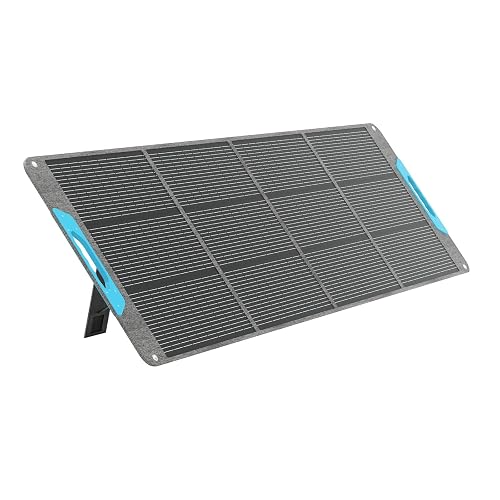 Best for USB chargingN-Type 200 Watt Foldable Solar Panel with KickstandView on Amazon
- 5
 Best for mounting flexibilityN-Type 16BB 400W Bifacial Solar Panel, 2PcsView on Amazon
- 6
 Best for weather resistance200W Portable Solar Panel for Power Station, ETFE FoldableView on Amazon
Our Top Picks
Quick Comparison
| Product | Best for | Key feature |
|---|---|---|
| Renogy 200W 12V Portable Solar Panels Suitcase | Everyday RV battery charging | Suitcase folding design with built-in 20A charge controller |
| ZOUPW 450W Portable Solar Panel N-Type 16BB | Power station pairing | High rated output with IP68 waterproof rating listed |
| N-Type 200 Watt Foldable Solar Panel with Kickstand | Small kitchens and USB devices | USB-A and Type-C outputs |
| N-Type 16BB 400W Bifacial Solar Panel, 2Pcs | Roof and ground mounting | Dual-module parallel design for shade tolerance |
| 200W Portable Solar Panel for Power Station | Wet and dusty conditions | ETFE surface and IP65 rating |
| Renogy 400W Portable Solar Panel Blanket | Limited storage space | Backpack-size foldable blanket design |
Renogy 200W 12V Portable Solar Panels Suitcase
Renogy 200W 12V Portable Solar Panels Suitcase with Waterproof 20A Charge Controller, Foldable 200 Watt Solar Panel W/Adjustable Kickstand, Solar Charger for Power Station, RV, Camping, SUV, Off Grid
Best for: Everyday RV battery charging and general camping
This suitcase-style panel suits RV owners who want a straightforward setup they can unfold on the ground, set at an angle toward the sun, and pack away between stops. It is a practical match for keeping a 12V house battery topped up during a few sunny hours.
Key specs
- 200W rated output
- 12V system compatibility
- Foldable suitcase format with adjustable kickstand
- Built-in waterproof 20A charge controller (per listing)
Pros
- Integrated controller reduces the number of separate parts to buy
- Adjustable stand makes it easier to aim at the sun
- Folds into a compact carry case
Cons
- Ground placement needs a clear, sunny spot to perform well
- Heavier than thin blanket-style panels
Bottom line: A strong first choice for RV owners who want a complete, portable 12V charging kit without assembling separate components.
ZOUPW 450W Portable Solar Panel N-Type 16BB
25% Efficiency Foldable Solar Panel for EcoFlow Delta/Anker C1000/Jackery/Bluetti,IP68 Waterproof for Offgrid RV Power Backup ZOUPW 450W Portable Solar Panel N-Type 16BB for Power Station
Best for: Power station pairing and higher daily energy needs
Owners running a portable power station for fridges, lights and small electronics will often want more wattage than a 200W panel provides. This model is aimed at people who already own a station and want to add a larger input.
Key specs
- 450W rated output
- N-Type 16BB cell design
- Foldable format for portable use
- IP68 waterproof rating as stated in the listing
Pros
- High wattage shortens charge time when the sun is strong
- Waterproof rating suits dew, light rain and dusty sites
- Designed with common power station connectors in mind
Cons
- Larger footprint when unfolded
- Output depends on sun angle and your station’s maximum input limit
Bottom line: Best for campers who already run a power station and want a larger, weather-resistant input.
N-Type 200 Watt Foldable Solar Panel with Kickstand
N-Type 200 Watt Foldable Solar Panel with Kickstand, Lightweight USB-A/Type-C Outputs, for Camping, RV, Blackout, Off-Grid Renogy 200W Portable Solar Panel for Power Stations, 25% Efficiency
Best for: Small setups and direct USB charging
This panel fits campers who mainly want to charge phones, tablets, cameras and small devices directly, while also keeping a modest battery topped up. Its lightweight build makes it easy to carry on hikes to a good campsite.
Key specs
- 200W rated output
- USB-A and Type-C outputs
- N-Type cell construction
- Foldable with kickstand
Pros
- Direct USB outputs remove the need for an extra adapter for phones
- Lightweight and easy to reposition
- Kickstand helps with angle adjustment
Cons
- USB ports are limited in power compared with a full 12V or station input
- Not ideal as the sole source for a fridge or air conditioner
Bottom line: A good pick for weekend campers and van owners who want easy device charging alongside light battery support.
N-Type 16BB 400W Bifacial Solar Panel, 2Pcs
N-Type 16BB 400W Bifacial Solar Panel, 2Pcs 200 Watt Solar Panel for 12V/24V Systems, 25.6% High Efficiency, Dual-Module Parallel Anti-Shade Design, for RV Van Marine Home Rooftop Off-Grid
Best for: Roof and ground mounting with flexible layouts
Owners who may later mount panels permanently on an RV roof, or who want two modules they can arrange separately, will find this set useful. The parallel two-module design is intended to reduce the impact of partial shade on overall output.
Key specs
- 400W total from two 200W modules (per listing)
- Designed for 12V and 24V systems
- Bifacial design, N-Type 16BB cells
- Dual-module parallel anti-shade configuration
Pros
- Two modules can be placed in different sun patches
- Suitable for both portable and fixed mounting
- Good total output for a two-piece kit
Cons
- Requires a compatible controller and wiring setup
- Bifacial gain depends on a reflective surface beneath the panels
Bottom line: Best for RV owners planning a semi-permanent or flexible setup who want two smaller modules instead of one large panel.
200W Portable Solar Panel for Power Station, ETFE Foldable
200W Portable Solar Panel for Power Station, 24% High Efficiency ETFE Foldable Solar Panel Charger, QC3.0, Type-C 60W, MC4 Output, IP65 Waterproof, for Outdoor Camping, RV, Emergency Power Supply
Best for: Wet, dusty or rough outdoor conditions
Campers who regularly deal with dew, light rain or dust will want a panel with a clear weather rating. This model’s ETFE surface and IP65 rating are the main reasons to consider it.
Key specs
- 200W rated output
- ETFE foldable surface
- IP65 waterproof rating (per listing)
- QC3.0 and Type-C 60W output, MC4 connection
Pros
- IP65 rating supports use in damp and dusty conditions
- ETFE surface is lightweight and flexible
- Multiple output options including Type-C and MC4
Cons
- Lower IP rating than IP68 models, so it is less suited to prolonged submersion
- Flexible surfaces can be harder to keep flat in strong wind
Bottom line: A sensible choice for campers prioritizing weather protection over maximum wattage.
Renogy 400W Portable Solar Panel Blanket
N-Type 400 Watt Solar Panel Blanket, Backpack-Size Foldable Design Use Less Space, for Camping, RV, Pickup, And Marine Renogy 400W Portable Solar Panel for Power Stations, 25% High Efficiency
Best for: Limited storage space and high output
This blanket-style panel targets RV owners who need strong output but have little room to store a rigid case. The backpack-size fold makes it practical for van dwellers with crowded cargo areas.
Key specs
- 400W rated output
- N-Type cell design, 25% efficiency as stated
- Foldable blanket format with backpack-size storage
- Compatible with power stations and 12V setups
Pros
- High wattage in a compact folded size
- Blanket design is flexible for uneven ground
- Efficiency rating suits limited sun-hour days
Cons
- Blanket panels can be harder to aim precisely without a stand
- Requires care to avoid creasing the cells when folding
Bottom line: A good match for van and RV owners who need high output but are short on storage space.
Buying Guide
Wattage and Daily Energy Needs
Wattage tells you how fast a panel can charge under ideal sun. To estimate daily needs, add up the watt-hours your devices use per day, then divide by about 4 to 5 usable sun hours to get a rough panel size. A fridge alone can use a large share of a small battery each day, so match the panel to your load rather than buying the smallest option.
Good picks for this: Renogy 400W Portable Solar Panel Blanket, ZOUPW 450W Portable Solar Panel
Voltage Compatibility
Check whether the panel’s output matches your battery or power station. Many RV batteries are 12V, while some systems run at 24V or 48V. Mismatched voltage can damage equipment or simply prevent charging, so confirm the controller and input specs before buying.
Good picks for this: Renogy 200W 12V Portable Solar Panels Suitcase, N-Type 16BB 400W Bifacial Solar Panel
Connectors and Outputs
Look for MC4 connectors if you plan to wire panels into a fixed RV system, and USB or Type-C outputs if you want to charge devices directly. Adapters work, but each extra connection adds a potential point of failure and some energy loss.
Good picks for this: 200W Portable Solar Panel for Power Station, N-Type 200 Watt Foldable Solar Panel with Kickstand
Weight and Portability
If you set up and pack up daily, weight matters more than wattage. Blanket-style panels are light and compact, while suitcase models add a rigid frame that is more durable but heavier. Think about how far you will carry the panel and how often you move camp.
Good picks for this: N-Type 200 Watt Foldable Solar Panel with Kickstand, Renogy 400W Portable Solar Panel Blanket
Waterproof and Dust Ratings
IP ratings describe resistance to dust and water. IP65 generally means dust-tight and resistant to water jets, while IP68 indicates protection against longer immersion under conditions the manufacturer specifies. For RV use in rain or dusty roads, check the rating and confirm the connectors are sealed too.
Good picks for this: 200W Portable Solar Panel for Power Station, ZOUPW 450W Portable Solar Panel
Durability and Surface Material
Tempered glass surfaces resist scratches but add weight, while ETFE films are lighter and more flexible but can show wear over time. Consider how the panel will be handled, stored and walked on. Clean the surface gently with water and a soft cloth, and avoid abrasive pads that can reduce light absorption.
Good picks for this: 200W Portable Solar Panel for Power Station, Renogy 200W 12V Portable Solar Panels Suitcase
Mounting and Angle Adjustment
Output depends heavily on the angle between the panel and the sun. Kickstands and adjustable frames let you tilt the panel throughout the day, which can make a noticeable difference compared with lying a panel flat. Fixed roof mounts are a different category, so plan around whether you need portability or permanence.
Good picks for this: Renogy 200W 12V Portable Solar Panels Suitcase, N-Type 16BB 400W Bifacial Solar Panel, 2Pcs
FAQ
How many watts of portable solar do I need for an RV?
It depends on your daily energy use. A small battery topping-up setup may work with 100 to 200W, while running a fridge and lights often calls for 400W or more, combined with adequate battery capacity. Calculate your daily watt-hours and compare that to realistic sun hours in your area.
Can a portable panel charge an RV battery directly?
Yes, if you use a charge controller that matches your battery chemistry and voltage. Many suitcase-style kits include a controller, while blanket panels often need one added. Always follow the battery manufacturer’s charging guidance.
Do portable solar panels work on cloudy days?
They produce less power in clouds, but they still generate some output. Output on overcast days is usually a fraction of full sun production. Plan for lower charging on cloudy stretches.
What is the difference between N-Type and standard solar cells?
N-Type cells are a cell technology that manufacturers often describe as offering higher efficiency and better performance in heat and low light. The practical difference for most RV owners is modest, so focus first on wattage, waterproofing and fit for your setup.
Is an IP65 rating enough for RV use?
IP65 protects against dust and water jets, which covers most rain and road spray. It is not designed for prolonged submersion. For frequent storms or wet climates, look for a higher rating and sealed connectors.
Should I use a charge controller with a portable panel?
A controller is strongly recommended when charging batteries, because it regulates voltage and helps prevent overcharging. Some kits include one, while others require a separate unit. Consult a qualified RV electrician if you are unsure how to wire your system safely.
Can I connect multiple portable panels together?
Yes, but the wiring must match your controller and voltage. Parallel connections increase current, while series connections raise voltage. Check your controller’s maximum input before combining panels.
Conclusion
The best portable solar panel for RV use depends on how you camp. For a balanced everyday kit, the Renogy 200W 12V suitcase is a practical starting point. Owners who already run a power station may prefer the ZOUPW 450W for higher input, while the 200W ETFE model suits harsher weather. Van owners with little storage room will appreciate the Renogy 400W blanket, and those who want USB charging should look at the N-Type 200W with kickstand. Match the panel to your daily energy needs and confirm voltage and connector compatibility before you buy.
Sources
- Solar energy basics, how photovoltaic panels work and how output varies with sunlight (energy.gov)
- Research on solar panel performance, efficiency and environmental operating conditions (nrel.gov)
- International standards for photovoltaic modules, including durability and environmental testing
Before you buy: helpful guides
Related reading
- Top 6 Portable Solar Panels for RV Picks for Every Need
- Solar Panels RV Installation: 5 Best Mounting Kits and Panels (2026)
- 6 Best Small 200W Solar Panels for RV, Camping and Off-Grid Use
About Ethan Brooks
Ethan Brooks is part of our editorial team and reviews and edits our small-scale solar guides, checking product details against manufacturer specifications and owner feedback.