By Claire Whitaker
Updated November 2026
Shopping for solar panels for sale for RV use can feel overwhelming, because listings mix panel wattage, voltage, cell type, mounting style and kit contents in ways that are hard to compare side by side. This guide narrows the field to seven rigid and flexible 12V and 24V options that owners and buyers often look at for camper vans, travel trailers and fifth wheels. Each pick is judged on power output per square foot, suitability for roof mounting, compatibility with common charge controllers, the completeness of the kit, and the patterns that owners tend to mention in their feedback.
Our top picks at a glance
- 1
 TOP CHOICEBest overallECO-WORTHY 200 Watts 12V/24V Solar Panel KitView on Amazon
- 2
 TOP CHOICEBest for dual-panel roof setupsN-Type 16BB 400W Bifacial Solar Panel, 2Pcs 200 Watt for 12V/24V SystemsView on Amazon
- 3
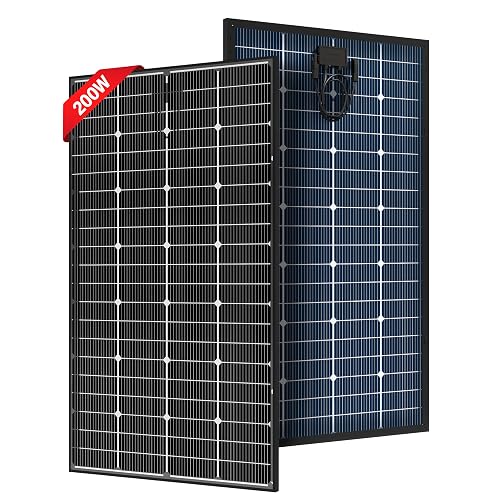 TOP CHOICEBest for low-profile rooftopsN-Type 16BB Rigid Solar Module JJN 200W BifacialView on Amazon
- 4
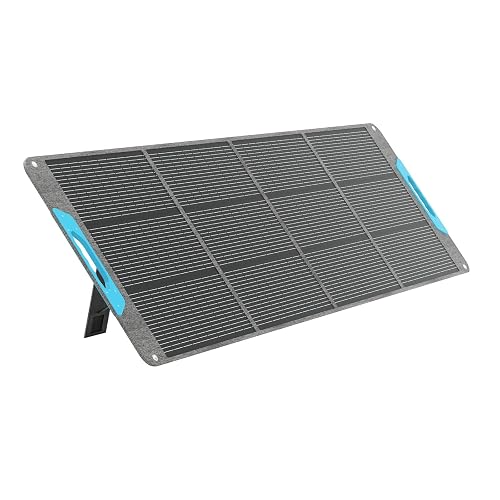 Best for portable useN-Type 200 Watt Foldable Solar Panel with KickstandView on Amazon
- 5
 Best budget pickZOUPW 220 Watt Solar Panel Kit for 12V/24V BatteryView on Amazon
- 6
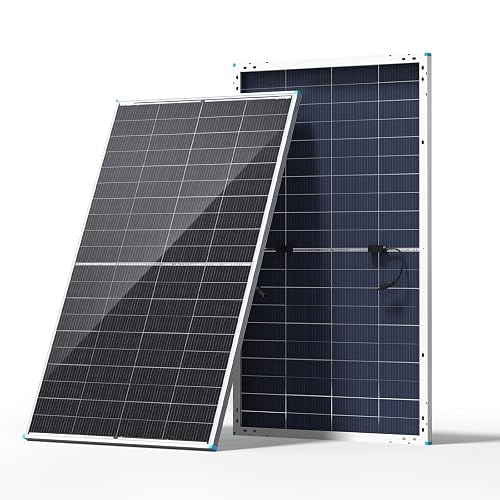 Best for shaded or angled roofsRenogy 200W N-Type Bifacial Solar Panel with Anti-Shade DesignView on Amazon
- 7
 Best for curved or uneven surfacesECO-WORTHY 200W Flexible HJT Solar PanelView on Amazon
Our Top Picks
Before the individual reviews, the table below gives a quick side-by-side view. Read it as a starting point, then check the product sections for the details that matter to your rig.
Quick Comparison
| Product | Best for | Key feature |
|---|---|---|
| ECO-WORTHY 200W 12V/24V Kit | First-time RV solar buyers | Panel plus 30A PWM controller in one box |
| N-Type 16BB 400W Bifacial (2-pack) | Dual-module roof arrays | Two 200W panels with anti-shade design |
| N-Type 16BB JJN 200W Bifacial | Low-profile rooftops | Bifacial cell design for extra rear-side gain |
| N-Type 200W Foldable with Kickstand | Portable and campsite use | Folds for transport, USB outputs |
| ZOUPW 220W Kit | Budget-minded builds | Two 110W modules with 30A LCD controller |
| Renogy 200W N-Type Bifacial | Partly shaded or tilted roofs | Double-sided cell response |
| ECO-WORTHY 200W Flexible HJT | Curved roofs and van tops | Flexible ETFE surface, light weight |
ECO-WORTHY 200 Watts 12V/24V Solar Panel Kit
ECO-WORTHY 200 Watts 12 Volt/24 Volt Solar Panel Kit with High Efficiency Monocrystalline Solar Panel and 30A PWM Charge Controller for RV, Camper, Vehicle, Caravan and Other Off Grid Applications
Best for: First-time buyers who want a complete starting point
This kit suits owners who want a single purchase that covers the panel, a charge controller and the basics for charging a 12V battery bank. It is a sensible match for weekend campers and van builders who are still learning how much they actually draw from their batteries.
Key specs:
- 200W monocrystalline panel rated for 12V and 24V systems
- 30A PWM charge controller included
- Designed for RV, camper, caravan and other off-grid use
Pros:
- Complete kit reduces the number of parts to source
- Works with common 12V lead-acid and lithium battery setups
- Monocrystalline construction is a familiar, well-understood technology
Cons:
- PWM controllers are less efficient than MPPT in cold or low-light conditions
- A single panel offers limited output for larger rigs with high loads
Bottom line: A strong choice for someone building their first RV solar system who wants everything in one order.
N-Type 16BB 400W Bifacial Solar Panel, 2Pcs 200 Watt for 12V/24V Systems
N-Type 16BB 400W Bifacial Solar Panel, 2Pcs 200 Watt Solar Panel for 12V/24V Systems, 25.6% High Efficiency, Dual-Module Parallel Anti-Shade Design, for RV Van Marine Home Rooftop Off-Grid
Best for: Dual-module roof arrays on larger rigs
Owners with a flat, reasonably open roof who want more total wattage without buying a single oversized panel will find this two-pack practical. The parallel layout lets you mount and wire the modules in sections, which can simplify roof work.
Key specs:
- Two 200W N-type modules (400W total)
- Bifacial design with 16BB cell layout
- Suited to 12V and 24V battery systems
Pros:
- Two modules spread the load and wiring across the roof
- Anti-shade design helps when part of the array is partly covered
- N-type cells are generally associated with stable output over time
Cons:
- Requires enough clear roof area for two panels plus mounting clearance
- You will need a controller rated for the combined output
Bottom line: Best for owners of larger motorhomes or fifth wheels with room to spread two panels.
N-Type 16BB Rigid Solar Module JJN 200W Bifacial
N-Type 16BB Rigid Solar Module, For RV Home Farm Trailer Camper Marine, Off-Grid Solar System JJN Bifacial 200 Watt Solar Panel, 25% High-Efficiency, Monocrystalline
Best for: Low-profile rooftops and tight mounting spaces
This single rigid module is a good match for travel trailers and camper vans where roof height and clearance matter. It fits owners who want a clean, single-panel installation without a large array.
Key specs:
- 200W rigid N-type bifacial module
- Monocrystalline construction
- Intended for RV, marine, trailer and off-grid systems
Pros:
- Single module keeps roof work simple
- Bifacial cells can pick up some reflected light from the surface below
- Suits a range of 12V and 24V battery banks
Cons:
- Rigid glass-faced panels are heavier than flexible options
- Bifacial gain depends on mounting height and surface reflectivity, so results vary
Bottom line: Pick this if you want one clean module that fits a low roof without a lot of hardware.
N-Type 200 Watt Foldable Solar Panel with Kickstand
N-Type 200 Watt Foldable Solar Panel with Kickstand, Lightweight USB-A/Type-C Outputs, for Camping, RV, Blackout, Off-Grid Renogy 200W Portable Solar Panel for Power Stations, 25% Efficiency
Best for: Portable use at campsites and for charging power stations
Not every RV owner wants a roof-mounted array. This foldable panel suits those who park in shaded campsites and need to face the panel toward the sun, or who want to charge a portable power station alongside a permanent setup.
Key specs:
- 200W foldable N-type panel
- Built-in kickstand for adjustable angle
- USB-A and Type-C outputs for small devices
Pros:
- Easy to reposition for better sun exposure
- Lightweight compared with rigid roof panels
- Built-in USB outputs for phones and small electronics
Cons:
- Portable panels need to be set up and stowed each time you move
- Weather resistance is more limited than fixed roof mounting
Bottom line: A useful supplement or campsite option for owners who do not want anything bolted to the roof.
ZOUPW 220 Watt Solar Panel Kit for 12V/24V Battery
ZOUPW 220 Watt Solar Panel Kit for 12V/24V Battery, 2Pcs 110W 25% High-Efficiency Monocrystalline PV Module Power Charger with 30A LCD PWM Charge Controller for Off-Grid RV Marine Boat Rooftop
Best for: Budget-minded builds that still want two panels
Buyers stretching their budget for a camper van or small trailer can get two 110W modules and a 30A LCD controller in one package. The LCD display helps owners check charging status without a separate monitor.
Key specs:
- Two 110W monocrystalline modules (220W total)
- 30A LCD PWM charge controller
- Compatible with 12V and 24V battery systems
Pros:
- Two modules offer more flexibility in roof layout
- LCD controller shows charging information at a glance
- Good fit for smaller battery banks
Cons:
- PWM control gives lower harvest than MPPT when conditions vary
- Owners sometimes mention that smaller-brand components need careful wiring checks
Bottom line: A practical choice for a budget RV or van build where you want a complete kit with a visible controller.
Renogy 200W N-Type Bifacial Solar Panel with Anti-Shade Design
Double-Side Anti-Shading Design, 200 Watt Solar Panel for RV Marine Rooftop Home Boat Battery Off-Grid Systems, IP68 Renogy Bifacial Solar Panel 200W N-Type, 16BB 25% High-Efficiency
Best for: Partly shaded or tilted roofs
Roofs rarely get full sun all day, and vent fans, ladders and nearby trees all cast shadows. This bifacial design with anti-shading construction is aimed at owners who deal with partial shade and want a panel that holds up better than a standard single-sided module.
Key specs:
- 200W N-type bifacial panel
- 16BB cell layout
- Designed for RV, marine, rooftop and off-grid systems
Pros:
- Double-side design can capture reflected light
- Anti-shading layout helps limit losses from partial coverage
- Well-known brand with a broad RV product line
Cons:
- Bifacial gains are real but modest and depend on the surface beneath
- Needs a compatible controller and careful wiring for best results
Bottom line: A solid pick for owners whose roof is frequently partly shaded.
ECO-WORTHY 200W Flexible HJT Solar Panel
Monocrystalline Cell, 200W Flexible Solar Panels for RV, Boat, Balcony, Roof, Camping, Uneven Surfaces ECO-WORTHY 200W Flexible HJT Solar Panels, 25% High Efficiency ETFE 18BB
Best for: Curved or uneven surfaces such as van roofs and fiberglass tops
Flexible panels bond to surfaces that cannot take rigid frames. Owners of Sprinter-style vans and fiberglass camper roofs often choose this type to avoid drilling into the roof structure.
Key specs:
- 200W flexible HJT panel
- ETFE surface with 18BB cell layout
- Monocrystalline cell construction
Pros:
- Light weight suits weight-sensitive van builds
- Conforms to gentle curves on many roof profiles
- Adhesive or low-profile mounting avoids heavy rack hardware
Cons:
- Flexible panels generally run hotter and may have a shorter service life than rigid glass modules
- Adhesive mounting is difficult to reverse, so plan placement carefully
Bottom line: Choose this for a van or curved roof where a rigid panel simply will not fit.
Buying Guide
Panel wattage and total system size
Start with your daily amp-hour use, not the panel wattage on the box. A common planning approach is to estimate how many amp-hours you use per day, then size the array so it can replace that charge within the sun hours you expect. Remember that real output is lower than the rated figure because of temperature, dust, angle and cable losses.
Good picks for this: ECO-WORTHY 200 Watts 12V/24V Solar Panel Kit, N-Type 16BB 400W Bifacial Solar Panel (2-pack)
Voltage compatibility: 12V versus 24V
Confirm your battery bank voltage before buying. Many RV systems run 12V, while some larger rigs use 24V to reduce wire size. Check that the panel and controller support your system voltage, and never connect a panel to a battery bank it was not designed for.
Good picks for this: ZOUPW 220 Watt Solar Panel Kit, ECO-WORTHY 200 Watts 12V/24V Solar Panel Kit
Charge controller type: PWM or MPPT
PWM controllers are simpler and cost less, but MPPT controllers usually extract more energy when panel voltage is higher than battery voltage, which is common on cold or cloudy days. If you plan to run a larger array, an MPPT controller is often the more efficient long-term choice.
Good picks for this: ZOUPW 220 Watt Solar Panel Kit, ECO-WORTHY 200 Watts 12V/24V Solar Panel Kit
Rigid versus flexible panels
Rigid panels with aluminum frames and tempered glass tend to be more durable and easier to service. Flexible panels are lighter and conform to curves but usually run hotter and need careful adhesive installation. Match the type to your roof, not the other way round.
Good picks for this: N-Type 16BB Rigid Solar Module JJN 200W Bifacial, ECO-WORTHY 200W Flexible HJT Solar Panel
Size, weight and roof clearance
Measure your roof space and check the height clearance for vent covers, air conditioners and roof ladders. Add up the weight of the panels, racks and wiring, and make sure your roof and any roof rack can handle it. A low-profile single module is often easier to fit than a large two-panel array.
Good picks for this: N-Type 16BB Rigid Solar Module JJN 200W Bifacial, N-Type 200 Watt Foldable Solar Panel with Kickstand
Shading and bifacial performance
Shade on a single cell can reduce output across a string of cells, so anti-shade designs and bypass diodes matter on crowded roofs. Bifacial panels can add some output from reflected light, but the gain depends on mounting height and what is under the panel, so treat claimed gains as approximate.
Good picks for this: Renogy 200W N-Type Bifacial Solar Panel, N-Type 16BB 400W Bifacial Solar Panel (2-pack)
Durability and weather resistance
Look for IP ratings and frame quality, and expect rigid panels to outlast flexible ones in heavy use. Owners of portable panels should store them dry and keep the connectors clean. Inspect mounting hardware and seals at least twice a year, especially after storms or highway travel.
Good picks for this: Renogy 200W N-Type Bifacial Solar Panel, N-Type 200 Watt Foldable Solar Panel with Kickstand
FAQ
How many watts of solar do I need for an RV?
There is no single answer, because it depends on your battery bank size, daily loads and how much sun you get. A useful starting point is to calculate your average daily amp-hour use, then compare it with the output a panel can realistically produce in your typical sun hours. Many owners add more capacity than they first estimate because real output falls short of the rated figure.
Can I mix panels of different wattages on one controller?
You can wire panels in parallel or series, but the combined output must stay within the controller’s voltage and current limits. Check the controller specifications before adding panels, and do not exceed the rated input. If you are unsure, a qualified installer can confirm the wiring.
Are flexible panels as durable as rigid ones?
Generally, rigid glass-faced panels last longer and handle heat and physical wear better. Flexible panels are useful where rigid mounting is impossible, but they often run hotter and can degrade faster under constant sun. Expect shorter warranty coverage and plan on periodic inspection.
Do bifacial panels really produce more power?
Bifacial panels can capture light reflected from the surface beneath them, which can add some output. The benefit depends on mounting height, surface color and angle, so the extra gain is usually modest on a roof. Do not rely on bifacial output alone when sizing your system.
Do I need an MPPT controller for a small RV system?
Small systems can run well on PWM controllers, which are simpler and less expensive. MPPT controllers tend to pay off when panel voltage is well above battery voltage, which is common in cooler or cloudier conditions. Consider your climate and expected array size when choosing.
Can I install RV solar panels myself?
Many owners install their own panels, especially single-panel setups with simple wiring. Still, roof penetrations, battery wiring and fuse sizing carry real fire and water-intrusion risks. If you are not experienced with electrical work, consult a qualified RV technician or licensed electrician.
How often should I clean my RV solar panels?
Clean panels when dust, pollen or road grime builds up, usually every few weeks in dusty or wooded areas. Use a soft brush or sponge with water and mild soap, and avoid abrasive pads that can scratch the glass. Inspect the wiring and connectors during each cleaning.
Conclusion
The right choice among these solar panels for sale for RV use comes down to your roof, your battery bank and how you travel. For a complete first system, the ECO-WORTHY 200 Watt kit is an easy starting point. Larger rigs with open roof space may prefer the two-panel N-Type 400W setup, while low-profile rooftops suit the single JJN module. Owners who camp in shade or want portable charging will find the foldable panel useful, and those on tight budgets can look at the ZOUPW kit. Van owners with curved roofs should consider the flexible HJT panel. Before buying, confirm your system voltage, controller compatibility and roof clearance.
For deeper planning, see Top 5 Solar Panels for RV Use Picks for Every Need (2026) for another perspective on common RV setups, and Solar Panel to Charge RV Battery: A Step-by-Step Guide (2026) to understand the wiring steps. If you are weighing portable against roof-mounted options, Top 6 Portable Solar Panels for RV Picks for Every Need covers that comparison. Owners sizing a battery bank will benefit from How Many Watt Solar Panel to Maintain RV Battery? A Practical Answer, and anyone planning a roof mount should read Mounting Solar Panel on RV: A Step-by-Step Guide for Beginners. For flexible-panel mounting specifics, see 7 Best Solar Panel on RV Roof Options for Off-Grid Camping (2026).
Sources
- Solar energy basics, system components and how panels convert sunlight into electricity (energy.gov)
- Research on photovoltaic performance, module efficiency and bifacial technology (nrel.gov)
- Electrical safety standards relevant to wiring and fusing battery and solar systems (nfpa.org)
Before you buy: helpful guides
About Claire Whitaker
Claire Whitaker is part of our editorial team and reviews and edits our small-scale solar guides, checking product details against manufacturer specifications and owner feedback.