 By Claire Whitaker
Updated November 2026
Outdoor solar lights not working usually comes down to one of three things: the panel isn’t getting enough direct sun, the rechargeable battery is worn out or switched off, or the light’s sensor is misreading the day and night cycle. Most problems can be fixed in under ten minutes without any tools.
Why Outdoor Solar Lights Stop Working
Solar lights run on a simple chain: the panel converts sunlight into electricity, the battery stores it, and the LED draws on that stored charge after dark. A break anywhere in that chain shows up as a light that dims quickly, flickers, or never turns on at all. Owners often report that the battery is the weakest link, since rechargeable cells lose capacity over one to three years depending on heat exposure and the chemistry used.
Shopping for one? See our guide: Top 5 Solar Lights for Balcony Picks for Small Outdoor Spaces.
Weather and placement also matter more than people expect. A panel that sits in partial shade from a fence, shrub, or eave may charge only a fraction of what it needs, even on a sunny day. Dust, pollen, bird droppings, and hard water spots can cut the panel’s output noticeably, and a light that looked fine in spring may be struggling by late summer.
Factors That Affect Solar Light Performance
Several factors determine whether a light has enough juice to run through the night:
- Sun exposure: Most solar lights are rated for about six to eight hours of direct sun. Less than that, and runtime drops fast.
- Panel angle: A flat or north-facing panel in the Northern Hemisphere collects less light than one tilted toward the southern sky.
- Battery age: Replacement batteries are often sized to match the original, so check the label before buying.
- Switch position: Some models have an on/off switch on the underside, or a mode switch that can be set to dim or motion-only.
- Season: Shorter winter days mean less charging time, so a light that worked in July may fade by December.
How to Fix Outdoor Solar Lights That Aren’t Working
Work through these steps in order. Most lights come back to life after the first two or three.
- Clean the panel. Wipe it with a soft cloth and mild soapy water, then rinse and dry. Avoid abrasive pads that scratch the surface.
- Move it into full sun. Relocate the light or trim nearby branches so the panel gets direct light for most of the day.
- Charge it fully. Leave the light in sun for two full days without switching it on. Then test it at dusk.
- Check the switch. Make sure it is set to “on” and not to a motion-only or timer mode you didn’t intend.
- Replace the battery. If the light still runs for only an hour or two after a full charge, swap in a matching rechargeable cell. Confirm battery size and voltage, and consult the manufacturer’s guidance if you’re unsure.
- Test the sensor. Cover the panel completely for a few seconds at dusk. If the light turns on, the sensor is working. If it doesn’t, the light may need replacement.
What we’d use
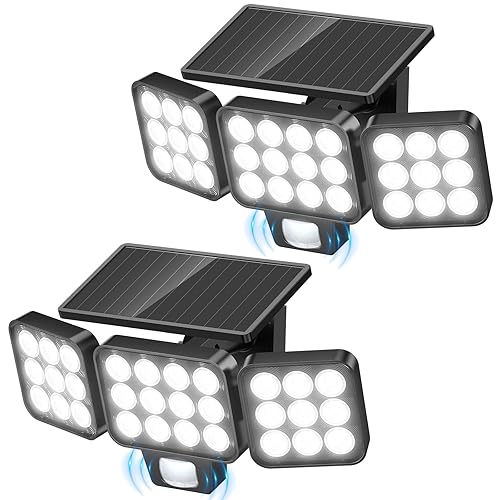
If your current light keeps failing even after cleaning and battery swaps, a replacement with a larger panel and a separate battery pack is often more dependable. Look for a model with a replaceable battery, since that keeps the rest of the fixture usable for years.
For pathways where several lights fail at once, a multi-pack from one brand makes it easier to match parts later.
FAQ
How long should outdoor solar lights last?
Most manufacturers specify a light lifespan of a few years, with the rechargeable battery usually being the first part to wear out. Replacing the battery can extend the life of the fixture considerably.
Why do my solar lights turn on during the day?
This is often caused by the sensor being shaded in a way that makes it think it’s dark, or by a mode switch set to always-on. Check the placement and switch setting first.
Can I leave solar lights out in winter?
Yes, most are built for outdoor use. Expect shorter run times in winter, and bring lights indoors if temperatures drop well below freezing, since battery performance drops in extreme cold. For specific temperature limits, check the manufacturer’s manual.
Related reading
- Why Are My Outdoor Solar Lights at Menards Not Working? 6 Fixes
- Why Are My Govee Outdoor Solar String Lights Not Working? 6 Fixes
- Tuffenough Solar Outdoor Lights: A Step-by-Step Guide for Beginners
- Top 7 Solars for Outdoor Lights for Yards and Patios (2026)
Ready to choose one?
About Claire Whitaker
Claire Whitaker is part of our editorial team and reviews and edits our small-scale solar guides, checking product details against manufacturer specifications and owner feedback.