By Claire Whitaker
Updated November 2026
Shopping for a marstek balcony solar storage system means weighing panel wattage, how the inverter connects to your home wiring, and whether you need battery storage at all. This guide compares five plug-in kits sold on Amazon US, ranked by how well each matches common apartment and small-balcony needs. The selection criteria were system capacity, inverter type, monitoring features, and certification status.
Our top picks at a glance
- 1
 TOP CHOICEBest overall1200W Plug-in Balcony Solar Kit (6-Panel) – Grid-Tie Plug and Play SysView on Amazon
- 2
 TOP CHOICEBest for smaller balconies800W Plug-in Balcony Solar Kit (4-Panel) – Grid-Tie Plug and Play SystView on Amazon
- 3TOP CHOICEBest for larger exposure1600W Plug-in Balcony Solar Kit (8-Panel) – Grid-Tie Plug and Play SysView on Amazon
- 4
 Best for off-grid lighting15W Portable Solar Panel Kit,Solar Lighting System,Home Solar System,1View on Amazon
- 5
 Best for battery-backed backupSystems RPPL12-18-15 RemotePro Off-Grid Solar Power SystemView on Amazon
Our Top Picks
| Product | Best for | Key feature |
|---|---|---|
| 800W Plug-in Balcony Solar Kit (4-Panel) | Small balconies | APsystems microinverter |
| 1200W Plug-in Balcony Solar Kit (6-Panel) | Most balcony layouts | WiFi monitoring included |
| 1600W Plug-in Balcony Solar Kit (8-Panel) | Larger south-facing railings | Highest panel count listed |
| 15W Portable Solar Panel Kit | Lighting and small loads | 12V battery with bulbs |
| Systems RPPL12-18-15 RemotePro | Off-grid backup power | 18Ah sealed battery |
1200W Plug-in Balcony Solar Kit (6-Panel) – Grid-Tie Plug and Play System with APsystems Microinverter, WiFi Monitoring & UL 3700 Certification
1200W Plug-in Balcony Solar Kit (6-Panel) – Grid-Tie Plug and Play System with APsystems Microinverter, WiFi Monitoring & UL 3700 Certification
Best for: Most balcony layouts that need a balance of output and footprint.
This middle-size kit suits renters who want meaningful output without a large railing footprint. Owners often report that WiFi monitoring makes it easy to track daily generation.
Pros
- Six panels fit many standard railings
- Built-in WiFi monitoring
Cons
- Needs a clear sun window to perform well
800W Plug-in Balcony Solar Kit (4-Panel) – Grid-Tie Plug and Play System with APsystems Microinverter, WiFi Monitoring & UL 3700 Certification
800W Plug-in Balcony Solar Kit (4-Panel) – Grid-Tie Plug and Play System with APsystems Microinverter, WiFi Monitoring & UL 3700 Certification
Best for: Small balconies with limited railing space.
A good fit for studio and one-bedroom units where four panels is the realistic maximum. Manufacturers specify UL 3700 certification for the grid-tie setup.
Pros
- Compact four-panel footprint
- Same microinverter platform as larger kits
Cons
- Lower output ceiling than 6- or 8-panel kits
1600W Plug-in Balcony Solar Kit (8-Panel) – Grid-Tie Plug and Play System with APsystems Microinverter, WiFi Monitoring & UL 3700 Certification
1600W Plug-in Balcony Solar Kit (8-Panel) – Grid-Tie Plug and Play System with APsystems Microinverter, WiFi Monitoring & UL 3700 Certification
Best for: Larger south-facing railings with generous sun exposure.
Best suited to households with ample railing length and a permissive building policy. Confirm your local rules before buying a kit this size.
Pros
- Highest panel count in this list
- WiFi monitoring included
Cons
- Requires more railing space and careful mounting
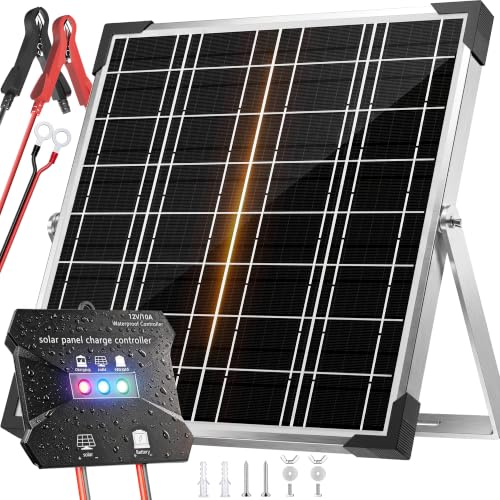
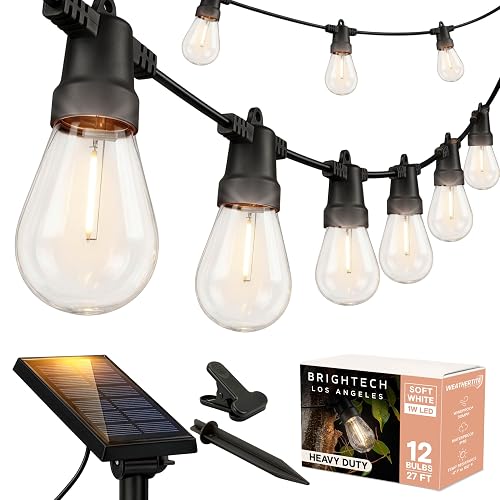
15W Portable Solar Panel Kit, Solar Lighting System, Home Solar System, 12V Battery, 4 Bulbs
15W Portable Solar Panel Kit,Solar Lighting System,Home Solar System,12V Battery,4 Bulbs,USB, IP65,Solar Electricity Plug-in Balcony Solar Panel Kit,15W Solar Generator with 4 Bulbs
Best for: Lighting and small USB charging loads.
This kit is aimed at people who want a simple lighting setup rather than household power. It is not designed to run appliances.
Pros
- Includes four bulbs and a 12V battery
- IP65 rating for outdoor use
Cons
- Too small for refrigerators or heaters
Systems RPPL12-18-15 RemotePro Off-Grid Solar Power System
Systems RPPL12-18-15 RemotePro Off-Grid Solar Power System, 2.5W, 12V 20A Output, 15W Solar, 18Ah 216Wh SLA Battery, PWM Controller, Polycarbonate Enclosure
Best for: Off-grid backup power for small loads.
Suited to users who want stored energy for outages or remote use. Owners often report the sealed battery and PWM controller are straightforward to maintain.
Pros
- Includes an 18Ah sealed battery
- Weatherproof polycarbonate enclosure
Cons
- A 15W panel recharges slowly
Buying Guide
Panel count and wattage
Total panel wattage sets how much energy the system can produce on a sunny day. Count your usable railing length before choosing between four, six, or eight panels.
Inverter and grid connection
Plug-in kits use a microinverter that feeds power into your home circuit. Check whether your utility and building allow this type of connection before purchase.
Battery storage
Batteries store surplus energy for later use but add weight and cost complexity. Sealed lead-acid batteries like the one in the RemotePro kit require periodic charging.
Monitoring and certification
WiFi monitoring lets you track output from your phone, and UL certification indicates the product has been evaluated against a recognized safety standard.
Good picks for this: 1200W Plug-in Balcony Solar Kit (6-Panel) and 800W Plug-in Balcony Solar Kit (4-Panel)
FAQ
Do I need battery storage for a balcony solar kit?
Not always. Plug-in grid-tie kits send power straight into your home circuit and work without a battery, though they shut off during a grid outage. If you want backup power or the ability to store energy for later use, look at a system that includes battery storage, such as the off-grid option in this list.
Can I plug a balcony solar kit into any outlet?
Plug-in kits are designed for a standard household outlet, but local rules vary. Some landlords, building managers, or utility companies require approval before you connect any generation equipment, so check your lease and local regulations first.
Which kit should I choose if my balcony gets limited sun?
A smaller array like the 800W kit is usually easier to place and may suit a shaded or narrow balcony better. Panel orientation and the amount of direct sun you receive will affect output more than wattage alone, so observe your balcony throughout the day before buying.
Does the system monitor how much energy it produces?
The grid-tie kits include WiFi monitoring so you can track production from your phone. This lets you see daily output and spot any drop in performance that could signal a shading or connection problem.
What does UL 3700 certification mean for me?
UL 3700 is a safety standard that covers plug-in solar equipment, so certification indicates the product has been evaluated against recognized requirements. It does not guarantee performance, but it is a useful sign when comparing products, and you should still confirm it applies to the exact model you buy.
Is the off-grid system suitable for running a refrigerator?
The off-grid kit is better suited to small loads such as lighting, USB charging, and low-draw devices. Its battery capacity is limited, so running a refrigerator or other high-consumption appliances for long periods is unlikely to be practical.
Conclusion
For most apartment dwellers with a reasonably sunny balcony, the 1200W six-panel kit offers the best balance of output, monitoring, and certification. If your space is small or partly shaded, the 800W kit is the easier fit, while the 1600W kit suits those with generous sun exposure and room for a larger array.
If you need lighting or basic charging without relying on grid-tie equipment, the portable 15W kit or the off-grid RemotePro system is a more modest option. Choose based on your sun exposure, your building’s rules, and whether battery backup matters to you.
Related reading
- Marstek B2500 Balcony Solar Storage System: Setup Guide and Key Factors
- Bluetti Balcony Solar Storage System: A Step-by-Step Guide for Apartments
- 7 Best Balcony Solar Storage Systems for Apartments (2026)
- 7 Best Anfuote Balcony Solar Energy Storage System Options for Apartments (2026)
- 6 Best Balcony Solar Energy Storage Systems for Apartments (2026)
- Zendure Balcony Solar System: 6 Best Picks for Apartments (2026)
About Claire Whitaker
Claire Whitaker is part of our editorial team and reviews and edits our small-scale solar guides, checking product details against manufacturer specifications and owner feedback.