 By Miles Sinclair
Updated November 2026
Choosing a small solar panel with outlet comes down to one question: how much power do you need, and where will you use it? Some people want to top off a phone on a weekend hike. Others want to run a laptop, a small fan or a CPAP machine during a power cut. This list compares six options from the lightweight USB charger to a complete portable power station with an AC outlet. Each pick was evaluated on published specifications, brand reputation and the patterns owners commonly describe in their feedback, with a focus on output type, capacity, portability and the practical number of devices each setup can run.
Our top picks at a glance
- 1
 TOP CHOICEBest overallPowkey 146Wh Power Bank with 120V AC OutletView on Amazon
- 2
 TOP CHOICEBest for camping tripsGOLUMU 60W Portable Solar Panel Charger with USB-CView on Amazon
- 3
 TOP CHOICEBest budget pickMini 5V 6W USB Solar PanelView on Amazon
- 4
 Best for RVs and vans146Wh Solar Power Bank with AC OutletView on Amazon
- 5
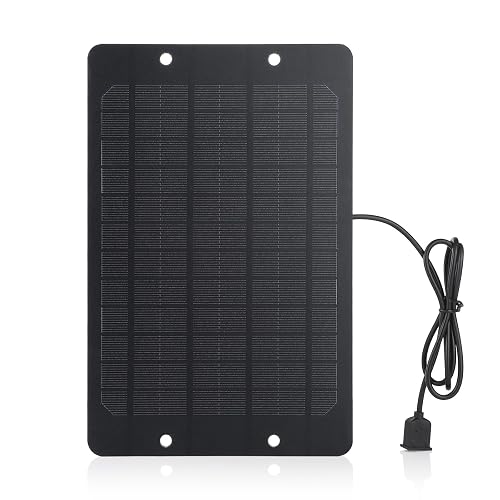 Best for small gadgetsSoshine Mini Solar Panel 5V 6WView on Amazon
- 6
 Best for basic phone chargingPortable Solar Panel Kit 5WView on Amazon
Our Top Picks
| Product | Best for | Key feature |
|---|---|---|
| Powkey 146Wh Power Bank with 120V AC Outlet | Home backup and camping with AC devices | 120V pure sine wave AC outlet |
| GOLUMU 60W Portable Solar Panel Charger | Multi-day outdoor trips | 60W foldable panel with USB-C, USB-A and DC ports |
| Mini 5V 6W USB Solar Panel | Small budget projects | Compact 5V USB output |
| 146Wh Solar Power Bank with AC Outlet | RVs, vans and road trips | AC, USB-A, USB-C and DC outputs |
| Soshine Mini Solar Panel 5V 6W | Cameras, fans and small pumps | USB-A connector with monocrystalline cells |
| Portable Solar Panel Kit 5W | Phone and camera charging | Lightweight USB charging |
Powkey 146Wh Power Bank with 120V AC Outlet
Powkey 146Wh Power Bank with 120V AC Outlet, Pure Sine Wave Lithium Battery for Outdoor Camping Emergency Home 200W Solar Powered Generator, Portable Power Station with Solar Panel 40W
Best for: Home backup and camping with AC devices
This is the most capable option on the list and the one to choose if you need a standard wall outlet. It suits campers who want to run a small appliance, and households that want a compact backup for lights, routers or a laptop during short outages.
Key specs
- 146Wh battery capacity
- 120V AC outlet with pure sine wave output
- Paired with a 40W solar panel, per the listing
Pros
- Standard 120V AC outlet runs common household plugs
- Pure sine wave output is generally gentler on sensitive electronics
- Includes a solar panel, so the setup is ready out of the box
Cons
- Solar recharge is slow compared with wall charging, especially on cloudy days
- Heavier than USB-only panels, so it is less suited to backpacking
Bottom line: Pick this if you need real AC power from sunlight and can accept a heavier, more involved setup.
GOLUMU 60W Portable Solar Panel Charger with USB-C
60W Portable Solar Panel Charger with USB-C, USB-A, DC Port, GOLUMU Outdoor IP67 Waterproof Foldable Solar Phone Charger for Camping Hiking Backpacking High Efficiency Cellphones Tablets Fast Charging
Best for: Multi-day outdoor trips
This foldable panel targets hikers and campers who want to keep phones, cameras and tablets charged for several days. Its IP67 rating (per the listing) signals water and dust resistance suited to rough conditions.
Key specs
- 60W maximum output panel
- USB-C, USB-A and DC ports
- IP67 rated for water and dust resistance
Pros
- Multiple output ports charge several devices at once
- Foldable design packs down for backpacking
- Weather-resistant build suits outdoor use
Cons
- Panel alone has no battery, so charging stops when the sun does
- Actual output depends heavily on sunlight angle and conditions
Bottom line: A strong choice for campers and hikers who want rugged, portable charging without a bulky battery.
Mini 5V 6W USB Solar Panel
Mini 5V 6W USB Solar Panel, Portable 5 Volt 6 Watt High Efficiency Monocrystalline Solar Panel Charger for Cellphone Power Bank Camera Fan Camping Lantern etc.
Best for: Small budget projects
A simple 5V panel for small devices such as a lantern, a small fan or a power bank. It suits hobbyists and anyone who needs a low-cost way to trickle-charge a small battery.
Key specs
- 5V output
- 6W rated power
- Monocrystalline cells, per the listing
Pros
- Very compact and light
- Simple USB output works with many small devices
- Good match for low-draw gadgets
Cons
- Too little power for laptops or AC devices
- Charging is slow for anything larger than a small power bank
Bottom line: Best for light-duty charging of small electronics where an outlet is not needed.
146Wh Solar Power Bank with AC Outlet
146Wh Solar Power Bank with AC Outlet,USB A,USB C, DC Output, Small Solar Generator for Home Use Outdoor Camping RV Van Trip Solar Powered Generator 100W, Portable Power Station with Solar Panels 40W
Best for: RVs, vans and road trips
This portable power station pairs a 146Wh battery with several output types, which makes it practical for vehicle use. It suits people who want to run small appliances from a battery that can be recharged by a solar panel.
Key specs
- 146Wh battery capacity
- AC outlet plus USB-A, USB-C and DC outputs
- Paired with a 40W solar panel, per the listing
Pros
- Multiple output types cover most common devices
- Battery storage lets you use power after sunset
- Compact enough for a van or small RV
Cons
- 146Wh is modest and runs high-draw appliances for only short periods
- Recharging from a 40W panel takes many hours in good sun
Bottom line: A good fit for van and RV users who want flexible outputs and a battery buffer.
Soshine Mini Solar Panel 5V 6W
Soshine Mini Solar Panel – USB Solar Panel Charger 5v 6w with High Performance Monocrystalline USB A Connector for Camera,Water Pump,Small Fan,Bicycle,Power Bank,Camping Lanterns
Best for: Cameras, fans and small pumps
Another compact 5V panel, this one from a brand known for small solar accessories. It is aimed at people who need direct solar input for a single small device, such as a trail camera or a water pump.
Key specs
- 5V, 6W rating
- USB-A connector
- Monocrystalline cells, per the listing
Pros
- Lightweight and easy to mount
- USB-A connector fits common small devices
- Well suited to direct-drive use in good light
Cons
- Output is too low for anything beyond small gadgets
- No built-in battery, so it works only in sunlight
Bottom line: Pick this for a single low-power device that runs during daylight hours.
Portable Solar Panel Kit 5W
Portable Solar Panel Kit, For Camera, Cell Phone Charging, Camping, Hiking, Outdoor Travel USB Solar Panel Charger, White, 5W, 5V 1PCS
Best for: Phone and camera charging
A basic 5W USB kit for everyday light charging on hikes, trips or as a backup for a phone. It suits casual users who want the lowest-complexity option.
Key specs
- 5W, 5V output
- USB charging connection
- Sold as a single-piece kit, per the listing
Pros
- Easy to use with no setup
- Light enough to clip to a pack
- Works with most USB-powered phones and cameras
Cons
- Charging is slow, so a phone may take many hours
- Not suitable for devices needing more than USB power
Bottom line: A simple, light option for keeping a phone or camera topped up on the go.
Buying Guide
Output type: USB or AC
USB-only panels charge phones, cameras and small lights. An AC outlet lets you run standard plugs, but it requires a battery and inverter. Decide which you actually need before comparing wattage.
Good picks for this: Powkey 146Wh Power Bank with 120V AC Outlet, 146Wh Solar Power Bank with AC Outlet
Battery capacity (Wh)
Watt-hours show how much energy a unit can store. A device drawing 10W for one hour uses about 10Wh. Add up your devices’ daily needs and choose a capacity that covers them with some margin.
Good picks for this: Powkey 146Wh Power Bank with 120V AC Outlet, 146Wh Solar Power Bank with AC Outlet
Panel wattage and charging speed
Panel wattage sets how fast sunlight can charge a device. Higher wattage charges faster but usually means a larger, heavier panel. Expect real output to fall well below the rating on cloudy days or at low sun angles.
Good picks for this: GOLUMU 60W Portable Solar Panel Charger, Portable Solar Panel Kit 5W
Portability and weight
If you carry your setup on foot, weight matters more than capacity. Foldable USB panels suit backpacks, while battery stations are better kept in a vehicle or at a campsite.
Good picks for this: Mini 5V 6W USB Solar Panel, Soshine Mini Solar Panel 5V 6W
Weather resistance
Look for an IP rating in the listing. IP67 indicates protection against dust and temporary immersion. A rating helps for trips where rain or dust is likely, but it does not make a panel suitable for constant exposure.
Good picks for this: GOLUMU 60W Portable Solar Panel Charger, Powkey 146Wh Power Bank with 120V AC Outlet
Compatibility with your devices
Check the output connector and voltage before buying. USB-A, USB-C and DC ports each serve different devices, and a 5V output will not fast-charge most laptops. Matching the port to your gear avoids disappointment.
Good picks for this: 146Wh Solar Power Bank with AC Outlet, Portable Solar Panel Kit 5W
Durability and care
Keep panels clean and free of dust, which can reduce output. Store battery units out of extreme heat and cold, and follow the manufacturer’s charging guidance to preserve battery life over time.
Good picks for this: GOLUMU 60W Portable Solar Panel Charger, Soshine Mini Solar Panel 5V 6W
FAQ
Can a small solar panel with outlet run a refrigerator?
Most small units with 100 to 150Wh of capacity cannot run a full-size refrigerator for long. A refrigerator can draw several hundred watts when the compressor starts. Small units are better suited to phones, lights, fans and laptops.
How long does it take to charge a power station from a 40W panel?
Charging time depends on sunlight, panel angle and battery size. In good sun a 40W panel may need many hours to fill a 146Wh battery. Expect longer times on cloudy days.
What is the difference between a pure sine wave and modified sine wave inverter?
A pure sine wave output closely matches household power and is generally safer for sensitive electronics and motor-driven devices. Modified sine wave output is cheaper but can cause issues with some equipment.
Can I charge a battery station directly from sunlight without a panel?
No. Battery stations need a charging source, such as a wall outlet, a car socket or a solar panel. The panel is what converts sunlight into electricity.
Are small solar panels waterproof?
Some are rated for water resistance, such as IP67 for dust and temporary immersion. Check the listing’s rating and avoid leaving any unit submerged or exposed to constant rain.
Do I need a charge controller?
Units with built-in battery storage manage charging internally. Standalone panels connected directly to a battery may need a charge controller to prevent overcharging. Consult the manufacturer’s instructions or a qualified installer if you are wiring components yourself.
Conclusion
For a true AC outlet, the Powkey 146Wh Power Bank and the 146Wh Solar Power Bank with AC Outlet are the most practical options, with the Powkey suited to home backup and the other to vehicle use. For multi-day hiking, the GOLUMU 60W panel offers the most charging capacity without a battery. For light, low-cost charging of small devices, the Mini 5V 6W panel, Soshine 5V 6W panel and basic 5W kit cover the simplest needs. Match the output type and battery size to your devices first, then choose the form factor that fits how you travel.
Sources
- Guidance on solar energy basics and how photovoltaic systems convert sunlight into electricity (energy.gov)
- Consumer safety information on battery-powered products and charging precautions (cpsc.gov)
- Research on solar panel performance under varying sunlight and temperature conditions (nrel.gov)
Related reading
- What Are Small Solar Panel Systems? Parts, Uses and Picks
- Top 7 Small Solar Power Panel Picks for Every Need (2026)
- Top 5 Ring Small Solar Panel USB C Picks for Ring Cameras
About Miles Sinclair
Miles Sinclair is part of our editorial team and reviews and edits our small-scale solar guides, checking product details against manufacturer specifications and owner feedback.